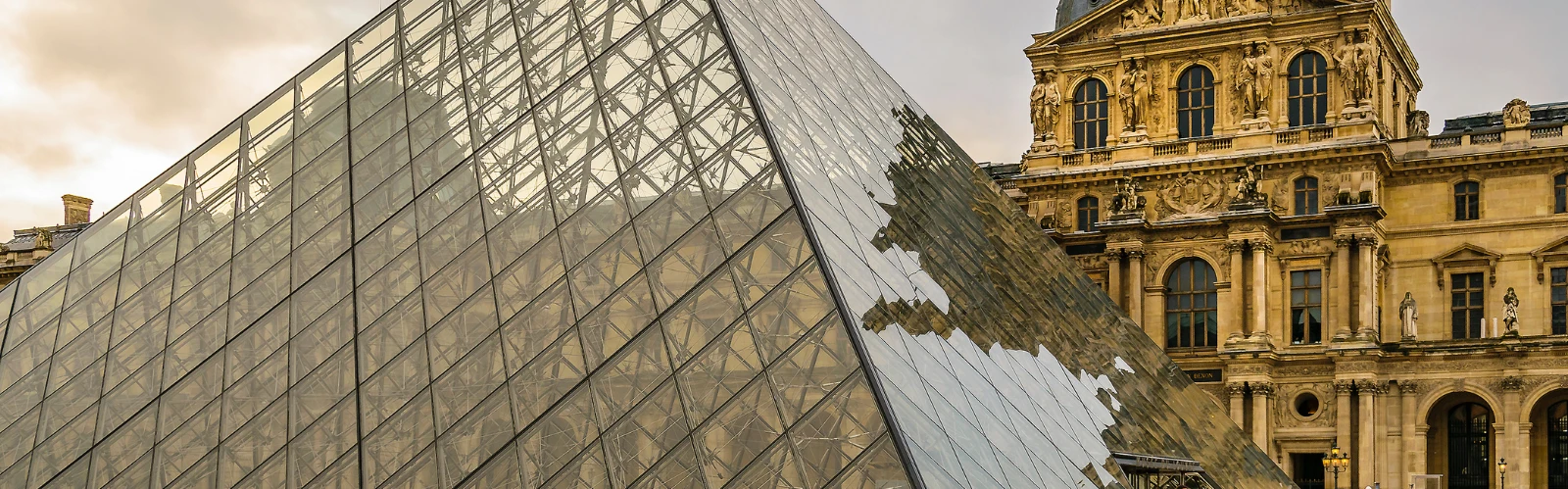
Secret Corners of the Louvre Most Tourists Miss

You’ve wandered beneath the glass pyramid. You’ve stood in line to see the Mona Lisa. Maybe you’ve snapped a selfie by the Venus de Milo. But did you know that just beyond the crowds and iconic masterpieces lie secret corners of the Louvre most tourists never see?
This isn’t a list of the usual suspects. Instead, we’re stepping off the main path and into the overlooked nooks, curious stairwells, and hidden gems the Louvre Museum quietly guards. Ready to explore the Louvre like an insider? Let’s go.
The Forgotten Courtyards and Echoing Staircases
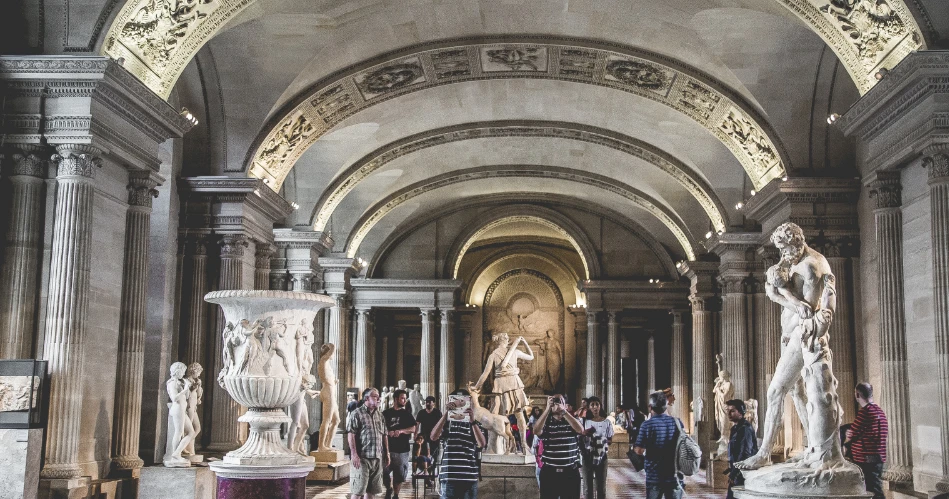
Most visitors breeze through the Louvre’s galleries without ever noticing the museum’s open-air courtyards. These beautiful, quiet spaces break up the grandeur of the interiors and offer a rare pause from the crowd. One of the most enchanting is Cour Marly, where white marble sculptures bathe in natural light beneath a glass canopy. The dramatic shadows alone are worth the detour.
A little farther along, the Cour Puget mirrors this peaceful vibe. Here, monumental statues rise like guardians of silence. Because these courtyards are tucked away in the Denon Wing’s lower level, they’re often overlooked. And yet, they offer some of the most compelling moments in the entire museum.
Between these courtyards, you’ll likely pass a twisting staircase or two. Don't rush past. The Escalier Daru is well-known—it leads to the Winged Victory of Samothrace. But lesser-known staircases, like the one near the Sully Wing’s medieval foundations, hold a curious hush and an aura that feels oddly intimate for such a colossal museum.
It’s in these quiet corners that you’ll understand why the Louvre isn’t just a place—it’s a mood.
Napoleon III Apartments: Royal Splendor Behind Velvet Ropes
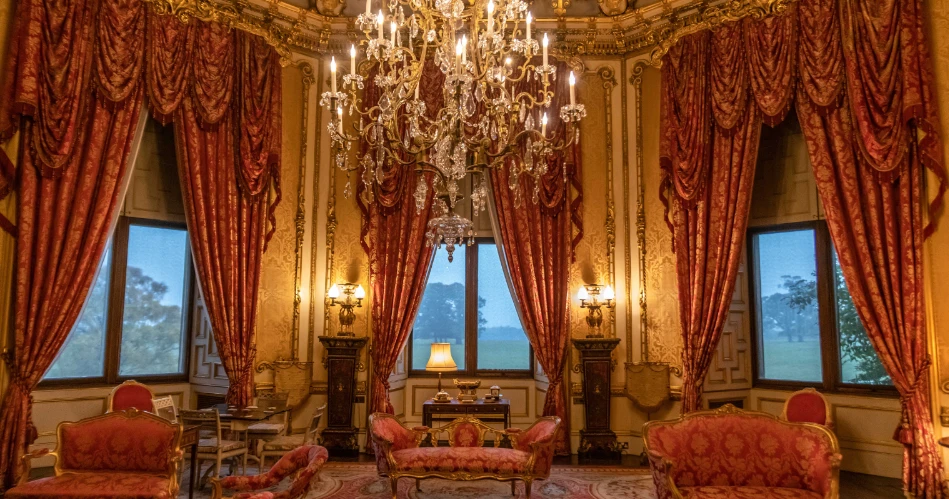
Now let’s pivot to something jaw-dropping. Tucked inside the Richelieu Wing, far from the famous Italian paintings, you’ll find the Napoleon III Apartments—a lesser-known treasure that feels like stepping into a chandeliered dream.
These rooms are all opulence. Crystal chandeliers drip from gilded ceilings. Plush red velvet covers every imaginable surface. Gold leaf frames everything that doesn't already sparkle. Surprisingly, many visitors either miss this section entirely or skip it, thinking it's not as “must-see” as the big-ticket artworks.
But if you're drawn to lush interiors and the storytelling power of décor, you’re in for a treat. This lavish space once hosted state guests in the 19th century, and today, it's one of the most stunning offbeat Louvre spots.
And while everyone else is staring at a tiny Da Vinci painting, you’ll be soaking in the ambiance of imperial France, practically hearing the rustle of silk skirts sweeping across polished floors. Doesn’t that feel like a travel win?
Medieval Louvre: Underneath It All
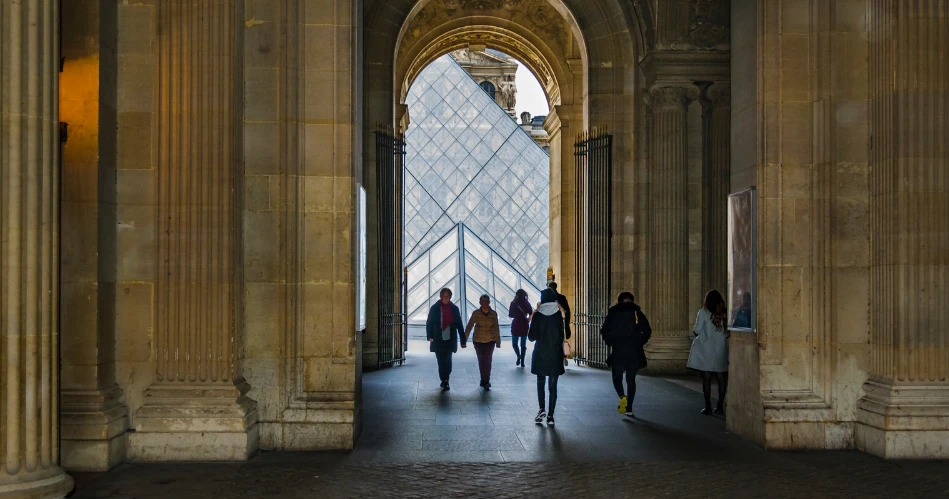
Here’s something even regular Louvre-goers often don’t realize—the museum sits atop the foundations of a 12th-century fortress. You can actually walk through the remains of this medieval structure, and yes, it’s hidden in plain sight.
Head to the Sully Wing’s lower ground floor, where dim lighting and thick stone walls create a time-travel vibe. As you move through this surprisingly atmospheric space, you'll spot arrow slits, a moat outline, and massive medieval stones that once supported a royal castle.
This is easily one of the best secret places in the Louvre—not only because it feels worlds away from the ornate galleries above, but because it grounds the grandeur in something real, raw, and architectural. It’s hard to believe that beneath all that polished marble and glowing oil paint lies the bones of a fortress.
Even better, this part of the museum is rarely crowded. It gives you space to breathe, think, and truly absorb what the Louvre has become over the centuries. For history buffs and curious wanderers alike, it’s a gem you shouldn't miss.
Flemish Masterpieces Without the Crowd

Tired of elbowing your way through the crowd to see Liberty Leading the People? Try wandering upstairs to the Dutch and Flemish galleries in the Richelieu Wing. This is where the museum becomes personal again.
The work here doesn’t shout. It whispers. The quiet brushstrokes of Vermeer, the drama of Rembrandt, and the still, radiant interiors of De Hooch all ask you to lean in, not stand back. The rooms are dimly lit and full of warmth.
What makes these galleries one of the most underrated offbeat Louvre spots is how they make you slow down. Without a bustling crowd pulling you toward the next masterpiece, you start to notice the details—the light on a teacup, the curve of a lace collar, the melancholy in a portrait’s eyes.
These moments are pure magic, especially if you’re craving an experience that’s more thoughtful and less frantic. Bonus? You’ll likely have an entire room to yourself, which is rare anywhere in the Louvre.
That’s the beauty of seeking hidden gems in the Louvre Museum: you begin to notice not just what’s on the wall, but how it makes you feel.
Why the Hidden Corners Matter
So why bother with these lesser-known spots? Honestly, because they’re where the Louvre breathes. They're where art connects with silence, where history whispers rather than lectures.
Most tourists head straight for the Mona Lisa, snap a quick photo, and move on. But the Louvre isn’t just about checking off highlights. It’s about lingering in those in-between places—where marble staircases echo softly under your footsteps, where Flemish interiors glow quietly, and where a fortress sleeps beneath your feet.
With these Louvre insider tips, you get more than a museum visit. You get a memory. You get a story that’s uniquely yours.
The next time you find yourself in the Louvre, give yourself permission to drift. Take the wrong hallway on purpose. Follow that quiet corridor. Peek behind velvet ropes. Because sometimes, the best parts of the Louvre are the ones no one told you about.
Final Thoughts
By now, it’s clear that the Louvre is far more than a checklist of masterpieces. It’s a labyrinth of beauty, history, and secrets. And with a little curiosity, you’ll find that the most powerful art experiences happen not in front of the most famous pieces, but in the hidden corners you almost skipped.
So next time you visit, forget the map for a while. Let your instincts—and your love of the unexpected—guide you to the hidden gems Louvre Museum has tucked away. With these Louvre insider tips, you’ll discover that even in one of the world’s busiest museums, it’s still possible to find a quiet, magical moment meant just for you.
And if you're the type who loves discovering secret places in the Louvre, remember: some of the best stories aren’t framed on the wall—they’re found in the spaces between.

About Author
Alex is a successful travel blogger; he gives great tips to travel enthusiasts regarding how they can save money on their vacations. He's been to 40 + countries, and he mainly focuses on how to cut down costs during travel.