
Exploring the Louvre’s Egyptian Antiquities Collection

Walking into the Louvre Museum is always an adventure, but the moment you turn toward the Department of Egyptian Antiquities, it feels like stepping into another world. Hidden beneath the buzz of Mona Lisa seekers is one of the most fascinating parts of the Louvre—its incredible Egyptian collection.
Sure, the museum itself is a marvel. From its famous glass pyramid entrance to its sprawling halls and royal past, the Louvre never fails to impress. But if you’re even a little curious about ancient civilizations, the Egyptian wing offers a quieter, more spellbinding kind of wonder.
Let’s dive into what makes the Louvre Egyptian collection so special—and why you should absolutely carve out time for it during your museum visit.
A Journey Through Time: From Pharaohs to Farmers
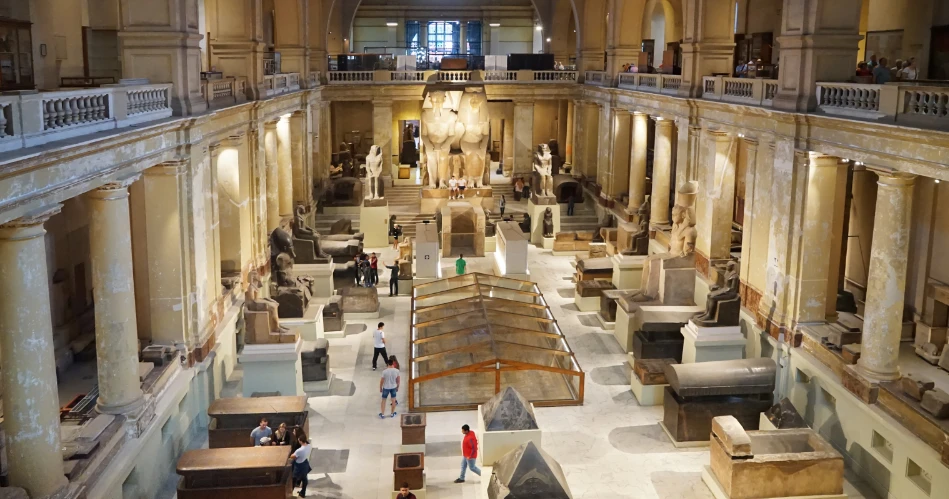
The Louvre's Egyptian department stretches across two floors in the Sully wing, housing over 50,000 artifacts. And yes, that’s as epic as it sounds. As you wind your way through the dimly lit galleries, you’ll notice that the layout follows a clear chronological path—from the earliest prehistoric periods all the way through the Greco-Roman era of ancient Egypt.
This journey through time makes the experience feel almost cinematic. The first rooms are filled with tools and pottery from the earliest Nile Valley settlements. It’s a humbling start—ordinary items that belonged to people who lived thousands of years ago, yet seemed to face the same daily tasks we do.
As you move forward, statues begin to tower over you. There’s the seated scribe, a famous limestone figure that somehow looks like it could blink at any moment. Carved around 2600 BCE, its clear eyes and soft expression make it one of the most memorable faces in the Louvre Museum exhibits.
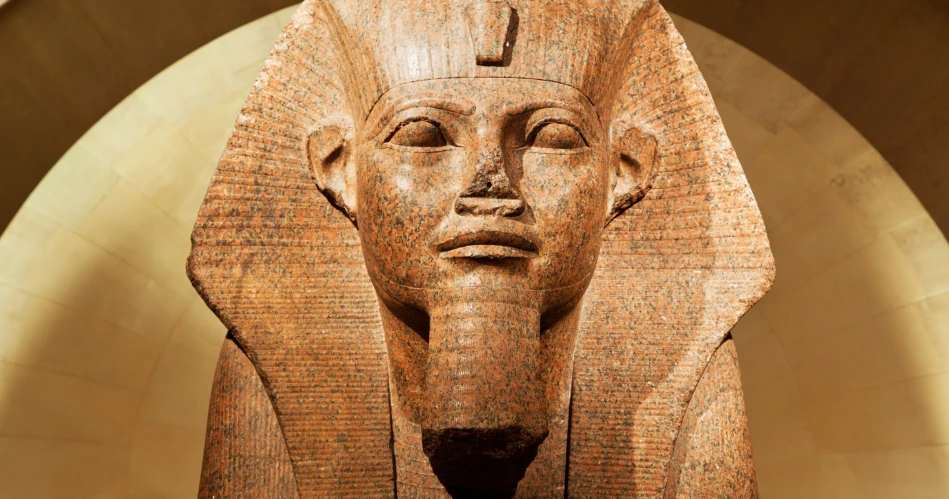
You’ll also spot colossal statues of pharaohs, standing tall with traditional headdresses, staffs, and that distinctive air of royal confidence. These giants tell a powerful story—of leadership, legacy, and divine rule. And despite being carved in stone, they radiate personality.
Even between these iconic pieces, the collection shines in its quieter corners. Rows of shabti figurines, once buried with the dead to serve them in the afterlife, line glass cases with eerie charm. Nearby, you’ll find delicate jewelry, perfume jars, and combs—intimate objects that give us a peek into everyday ancient life.
Mummies, Myths, and the Afterlife
No visit to the Egyptian artifacts Paris museum section is complete without pausing at the mummies. The Louvre doesn’t just display them behind sterile glass; it invites you into the spiritual and symbolic world of ancient Egyptian beliefs.
Hieroglyph-covered coffins, nesting like Russian dolls, line the walls in hushed silence. You’ll see both human and animal mummies—cats, ibises, even crocodiles—wrapped and preserved for eternity. It’s strangely moving to stand before these ancient remains and know they were once honored in elaborate rituals and buried with hope for a peaceful afterlife.
This entire section highlights how much the Egyptians cared about life beyond death. They believed the soul had multiple parts—ka, ba, and akh—that all had different roles in the journey to the afterlife. To support this transition, they packed the tombs with everything from food and drink to miniature boats and spells.
These beliefs come to life through the Book of the Dead papyri—long, illustrated scrolls filled with incantations meant to guide the deceased safely through the underworld. The Louvre houses some particularly stunning examples, full of bold colors and mythic creatures.
While you're standing among these ancient relics, it's impossible not to reflect. In a way, visiting the Louvre Egyptian collection becomes a gentle meditation on time, memory, and what we leave behind.
Must-See Highlights You Might Miss

While the sarcophagi and statues steal the spotlight, there are smaller gems that are easy to overlook—so keep your eyes open and your pace slow. Here are a few unforgettable pieces that might not make it into guidebooks but deserve your attention:
The Gebel el-Arak Knife: This intricately carved ivory dagger is over 5,000 years old and shows a mix of Egyptian and Mesopotamian influences. Look closely—you’ll see a man fighting two lions, and it’s one of the earliest depictions of that heroic theme in history.
The Zodiac of Dendera: Originally part of a ceiling from a temple in Egypt, this circular zodiac map blends astronomy and mythology. It’s beautiful and mysterious, and unlike anything else in the museum.
Canopic Jars: Often small and modest in appearance, these jars held the organs of mummified individuals. Each one is topped with the head of a protective deity, and they’re both eerie and fascinating.
Papyrus Fragments: Some are so fragile that they’re kept in darkened cases. These slivers of ink and parchment once recorded taxes, prayers, or even gossip—tiny slices of ancient life preserved against all odds.
As you're wandering, consider using an app like Louvre: Ma Visite or Smartify. These tools offer rich audio commentary and visual guides that help bring context to the Louvre Museum exhibits without overwhelming you with too much info.
How to Enjoy the Egyptian Wing Without Feeling Overwhelmed
Let’s be honest: the Louvre is massive. It’s easy to feel a little lost—especially in a collection as large as the ancient Egypt Louvre section. But there are ways to make the experience more relaxed and meaningful.
Start with just a few rooms. Give yourself permission to pause and really look at a handful of pieces. Notice the brushstrokes on a papyrus scroll or the patterns on a necklace. This isn't a race.
If you get museum fatigue easily, consider taking breaks at the smaller alcoves or seating areas inside the Sully wing. These tucked-away spots are usually quiet, letting you recharge before you move on.
And don’t skip the Louvre’s official guidebook or digital map. These tools let you focus on thematic areas—like daily life, religion, or royal imagery—depending on what fascinates you most.
Above all, let curiosity guide your steps. The beauty of this section is how much it rewards slow discovery. From grand monuments to tiny amulets, the Egyptian artifacts Paris museum wing offers a layered experience that lingers long after you leave.
By the time you walk back into the Louvre’s sunlit halls, the ancient world will feel a little closer. The Louvre Egyptian collection doesn’t just show you objects—it lets you feel history. It’s art, archaeology, belief, and humanity all bundled into a hushed, golden-lit corner of Paris.
Whether you're an ancient history buff or just someone who loves stories told through stone and scroll, this collection promises wonder. And with so many treasures to uncover, there’s always a reason to return.
So next time you’re at the Louvre Museum, follow the quieter path. Head past the crowds and descend into a world shaped by sand, gods, and pharaohs. You'll come out the other side with dustier shoes—and a mind buzzing with the echoes of ancient Egypt.

About Author
Alex is a successful travel blogger; he gives great tips to travel enthusiasts regarding how they can save money on their vacations. He's been to 40 + countries, and he mainly focuses on how to cut down costs during travel.