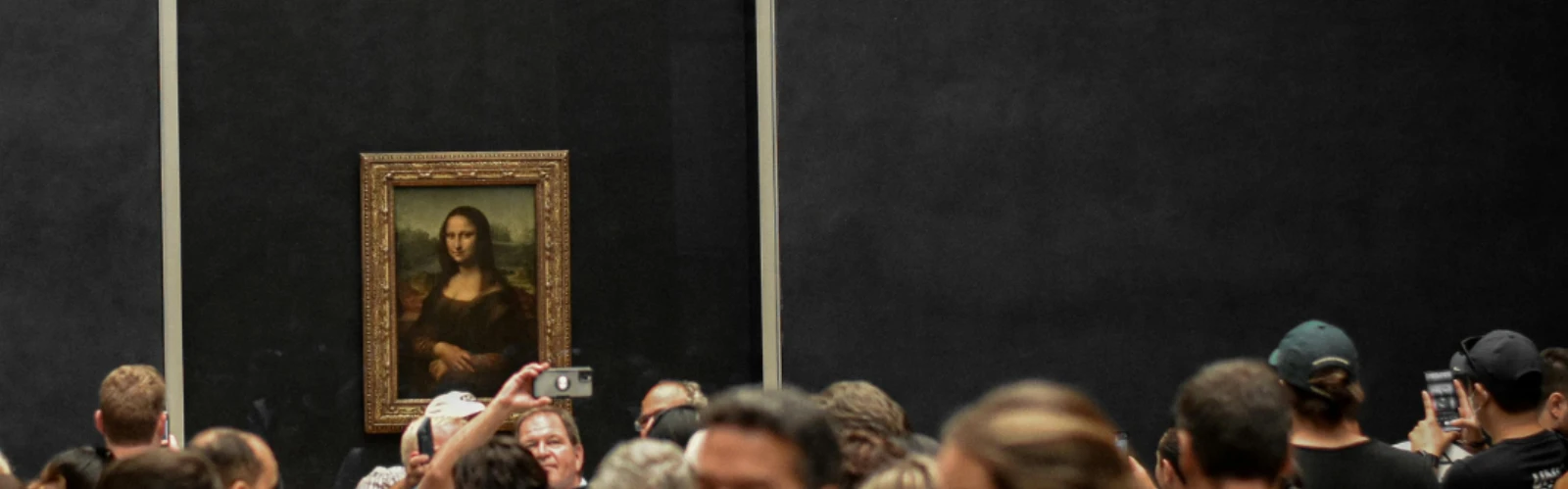
Discover the Louvre’s Hidden Gems Beyond the Mona Lisa

Let’s face it—most visitors head straight for the Mona Lisa the moment they enter the Louvre. And while da Vinci’s enigmatic lady is undeniably iconic, the Louvre is so much more than just one famous face behind bulletproof glass.
If you're someone who craves a quieter, more meaningful connection with art, you're in the right place. Because beyond the selfie-snapping crowds and iconic blockbusters lies a different Louvre. A richer one. A side packed with hidden artworks, underrated pieces, and secret highlights that whisper rather than shout.
Wandering through the museum without an agenda is one way to stumble upon these treasures. But for those who like a bit of a head start, this post is your map to the Louvre’s lesser-known masterpieces—the ones that will surprise you, move you, and maybe even become the highlight of your entire Paris trip.
Skip the Frenzy: What to See Beyond Mona Lisa
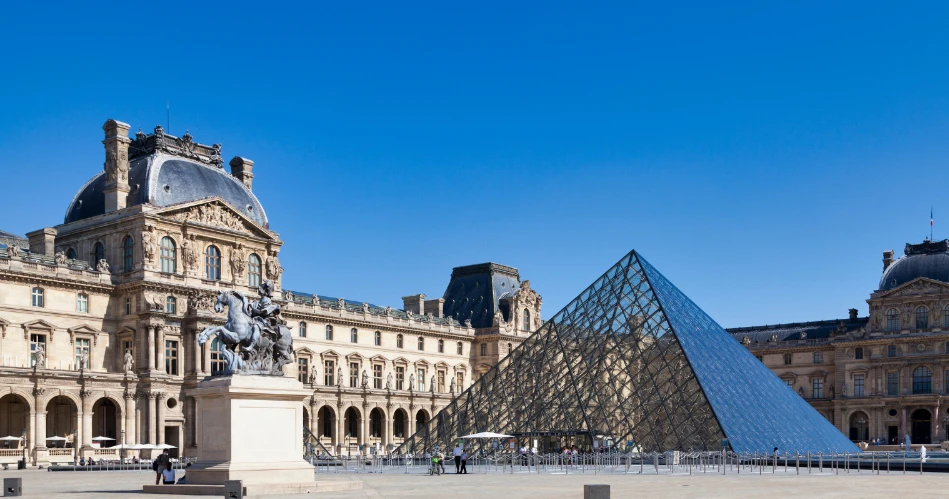
After navigating the packed Denon Wing, where the Mona Lisa sits surrounded by hundreds of phones in selfie mode, you might find yourself wondering, “What else is there?”
The answer? A whole lot.
Start by heading to the Sully Wing, the oldest part of the museum. It’s quieter and full of surprises. One standout is The Seated Scribe, an ancient Egyptian sculpture that feels so lifelike, it’s almost unsettling. His gaze follows you with eyes made of rock crystal and copper—proof that even 4,500 years ago, artists knew how to command attention.
Another underrated piece in the Louvre Museum is Gabrielle d’Estrées and One of Her Sisters in the Richelieu Wing. It’s a striking and rather cheeky painting from the late 1500s. One woman pinches the other’s nipple—yes, really. It’s playful, but also layered with political and maternal symbolism. It makes you pause, laugh, then think, which is exactly what great art should do.
Also tucked away in Richelieu is The Lacemaker by Vermeer. It’s tiny, easy to miss, but absolutely mesmerizing. Her concentration is so intense, you’ll find yourself leaning in to match it. In contrast to his better-known works, this one feels intimate and meditative—a slice of life caught in a moment of stillness.
So, if you’re wondering what to see beyond the Mona Lisa, this is your sign to take the road less traveled within the Louvre’s massive maze.
Hidden Artworks in the Louvre Worth Finding
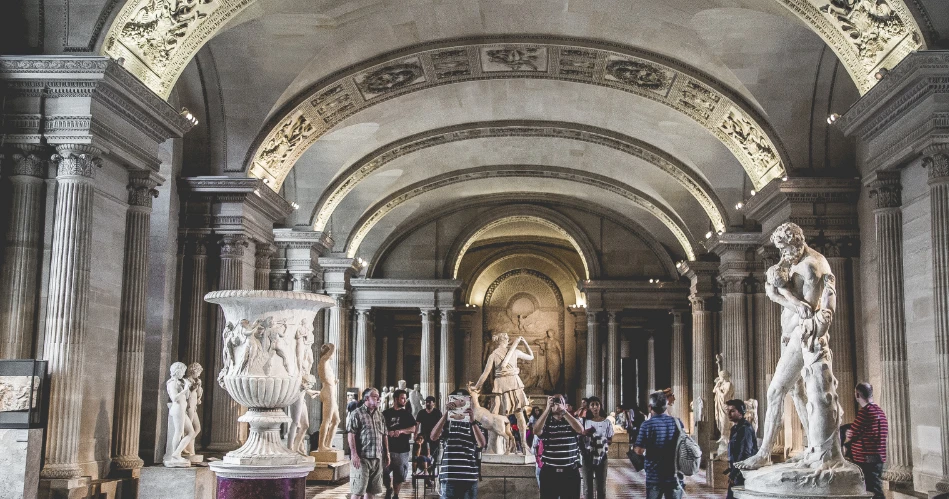
Some of the hidden artworks in the Louvre aren’t just unknown—they’re hiding in plain sight, overshadowed by louder, larger pieces. One gem in particular is The Winged Human-Headed Bulls from Mesopotamia. These colossal statues guard a room in the Near Eastern Antiquities section. With their human faces, bull bodies, and enormous wings, they seem plucked straight from mythology. But they’re real. And they’re jaw-dropping.
Another easily overlooked treasure is The French Crown Jewels, tucked away in a quiet corner of the Apollo Gallery. You might expect these royal relics to be mobbed like the Crown Jewels in London, but here they’re surprisingly accessible. The craftsmanship is unreal—delicate tiaras, glimmering swords, and diamond-heavy regalia that ooze power.
Not far off, keep your eyes open for Psyche Revived by Cupid’s Kiss by Antonio Canova. It’s one of the most romantic sculptures you’ll ever see. Soft marble curves, frozen in a moment of love and revival, make it easy to forget you’re looking at stone. People often rush past it on their way to Venus de Milo—but stop. Linger. Let it sink in.
And if you’re into quiet corners, make a detour to the medieval Louvre foundations in the basement. You can literally walk around the moat and stone walls of the original fortress. It’s not just a museum—it’s a time machine. These Louvre secret highlights often go unnoticed, yet they offer some of the most intimate, awe-inspiring experiences in the entire building.
Underrated Pieces That Stay With You
Art doesn’t need to be big or famous to leave a mark. Some of the most underrated pieces in the Louvre Museum are the ones that stop you mid-step because they stir something personal.
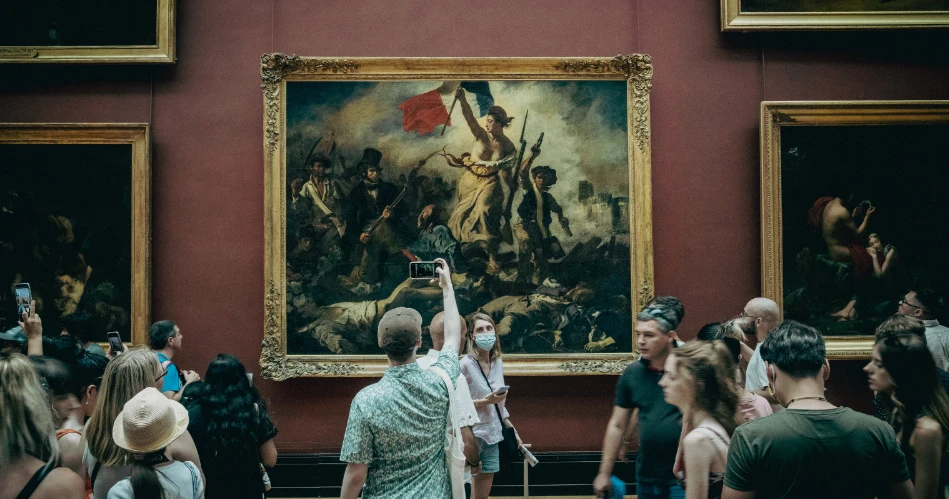
Take Liberty Leading the People by Eugène Delacroix. It’s dramatic, yes—but not nearly as mobbed as you might expect. Liberty, with her bare chest and French flag held high, steps over fallen bodies to lead the revolution. It’s raw and emotional. And once you’ve stood before it, you won’t forget it.
Then there’s The Astronomer by Johannes Vermeer, another work often overshadowed by flashier names. It radiates quiet focus, with a soft glow that seems to come from within the canvas. The more you look, the more you see: the open book, the celestial globe, the curiosity.
Don't miss Portrait of a Woman Known as ‘La Belle Ferronnière’, often mistaken for a lesser da Vinci. Though its origins remain debated, the sitter’s gaze is magnetic. There's an unsettling confidence in her expression, one that keeps your eyes locked on hers.
And let’s talk about the Islamic Art collection, a section many skip entirely. But here you’ll find stunning mosaics, intricate textiles, and jewel-toned ceramics that dazzle with their detail. It’s a visual palate cleanser after long halls of Renaissance oil paintings.
Whether it’s ancient sculpture, revolutionary paintings, or quiet portraits, these underrated pieces in the Louvre Museum will give you something the Mona Lisa can’t: time, space, and a deeper connection.
How to Make the Most of Your Visit
Navigating a museum as enormous as the Louvre can feel overwhelming. But don’t worry—there are ways to explore without getting lost or burned out.
First, download the official Louvre app or use tools like Smartify, which acts like Shazam for artworks. You scan a piece, and it tells you its story. No bulky guidebooks or pricey tours—just bite-sized context, right on your phone.
Second, don’t try to see everything. That’s a rookie mistake. Pick a wing, a period, or even a theme like “portraits” or “mythological stories.” Then stroll. Pause. Backtrack. The best moments at the Louvre often come when you’re not rushing.
Third, go during off-peak hours if you can. Evenings on Wednesdays and Fridays are usually quieter. You’ll feel more like an art lover than a tourist checking off a bucket list.
Lastly, trust your instincts. If something catches your eye, go look. Whether it’s a gleaming mosaic in a far-flung gallery or a strange little sculpture in a side room, follow that pull. That’s how discoveries happen.
Because in the end, the Louvre’s hidden artworks aren’t just hiding from the crowds—they’re waiting for the curious, the wanderers, and those who look a little closer.
So, next time you’re at the Louvre, go ahead and wave at Mona if you must. But then, step away. Go deeper. Wander the hushed corridors. Linger with forgotten masterpieces. Seek out the Louvre secret highlights that most visitors never even notice.
Because that’s where the magic lives—not in the famous smiles, but in the quiet corners that speak only to those who care to listen.

About Author
Leo is a master at storytelling. He produces unique travel content in a way that gives readers a vibe of actually being there.