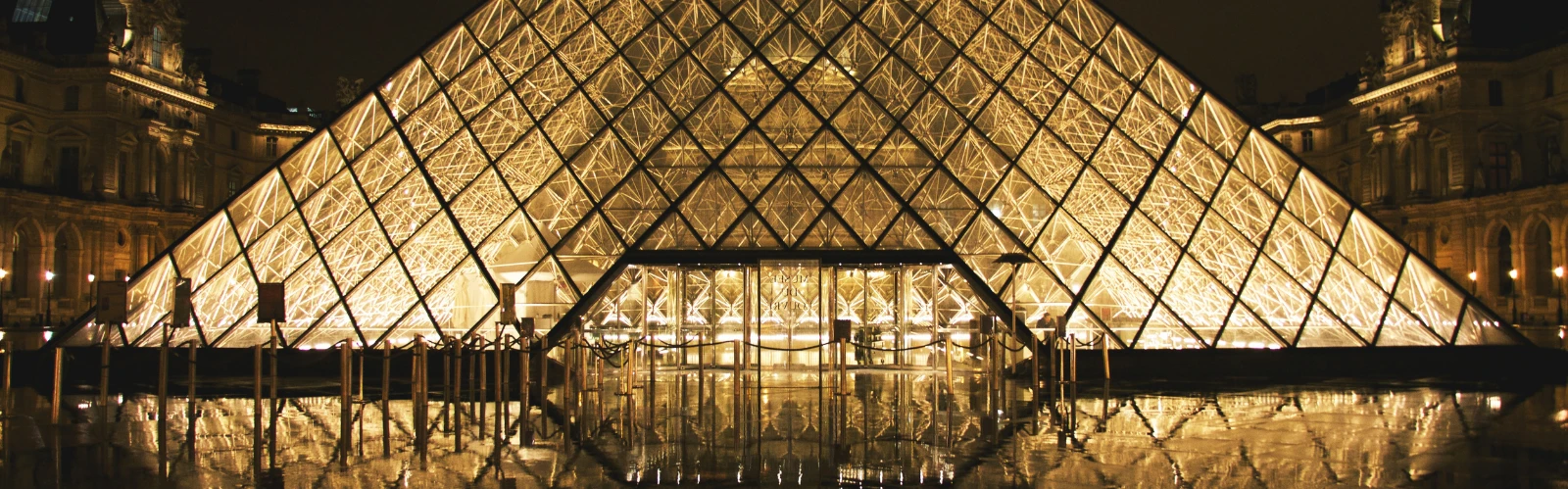
Must-See Masterpieces at the Louvre Museum

There’s something almost magical about walking into the Louvre. Whether you’re a passionate art lover or just someone curious about what all the fuss is about, this Parisian icon never fails to impress. Its grand halls and softly echoing marble corridors are home to thousands of works, many of which have changed the course of art history.
But let’s be honest—with over 35,000 pieces on display, navigating the Louvre can feel a little overwhelming. That’s where this blog comes in. We’re not about ticking every painting off a list. Instead, we’ll guide you to the masterpieces that people from around the world travel to Paris just to see. Some are jaw-droppingly famous, while others are quietly moving once you stop and really look.
From captivating smiles to dramatic sculptures and ancient treasures, these are the top exhibits the Louvre Museum truly is known for.
Mona Lisa: The Louvre’s Crown Jewel
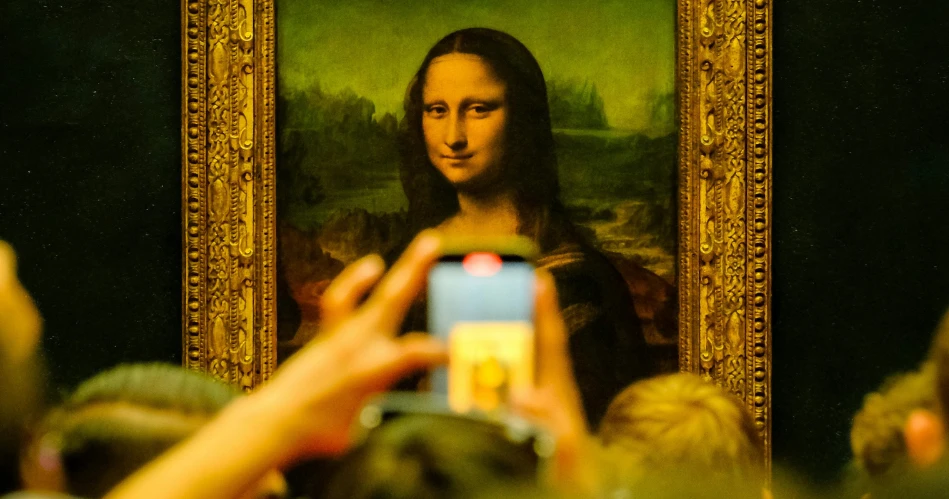
Let’s get this one out of the way first. Yes, it’s that famous, and yes, the crowd in front of her is usually intense. But despite the hype (or maybe because of it), the Mona Lisa is a must-see art experience unlike any other.
Leonardo da Vinci painted this mysterious portrait around 1503, and its fame only grew with time—and a theft in 1911 that made headlines around the globe. Her gentle smile, the delicate light on her face, and those eyes that seem to follow you—there’s a reason people fall under her spell.
Pro tip? If you want a quieter view, try visiting early in the morning or right before closing. And while you’re there, turn around! Many visitors miss the enormous Wedding at Cana, which hangs directly opposite and tells a completely different kind of story.
Not only is the Mona Lisa one of the most famous artworks at the Louvre, but she also feels like the museum’s living heartbeat. Whether you love her or just want to say you’ve seen her, she’s absolutely worth the moment.
Venus de Milo: Grace in Marble
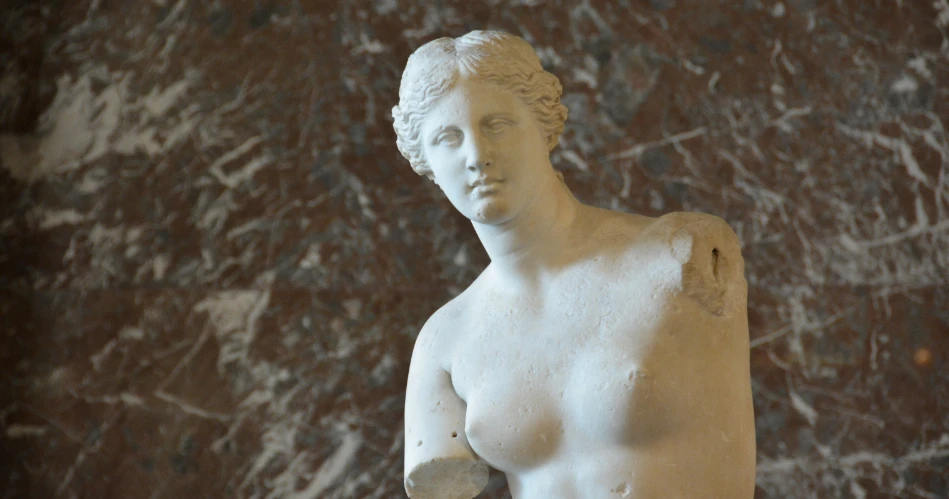
If you’re wandering the Louvre and find yourself drawn to a hall where everyone is pointing and whispering, you might be near the Venus de Milo. Standing tall without arms, this stunning Greek statue is believed to represent Aphrodite, the goddess of love and beauty.
What’s fascinating is that she doesn’t need arms to capture your attention. There’s a serene energy in the curve of her body and the soft lines of her face that feel timeless. Sculpted more than 2,000 years ago, she somehow feels completely modern.
Placed prominently in the Sully Wing, she’s easy to spot—but don’t rush by. Spend a few extra minutes with her. There’s a quiet power in her presence that photographs simply can’t capture.
Among the many things to see in the Louvre Paris, Venus is a piece that continues to stir emotion in nearly everyone who stops to look.
Liberty Leading the People: A Powerful Revolution

Moving into a completely different era, this painting by Eugène Delacroix is bursting with fire, action, and passion. It shows Liberty as a fierce woman, leading Parisians into battle during the French Revolution, waving the tricolour flag high.
The brushstrokes are wild, the colors intense, and the emotion practically jumps off the canvas. It's not just art—it’s a cry for freedom. And it’s one of the best examples of Romantic painting from the 19th century.
Located in the Denon Wing, this artwork feels especially meaningful when you remember that the Louvre itself has lived through the many phases of France’s history. While the top exhibits at the Louvre Museum are often older or more serene, this one will jolt your senses and stir your soul.
And yes, it’s also the painting that inspired the cover of a Coldplay album—just in case you’re wondering where you’ve seen it before.
The Winged Victory of Samothrace: Motion in Stone
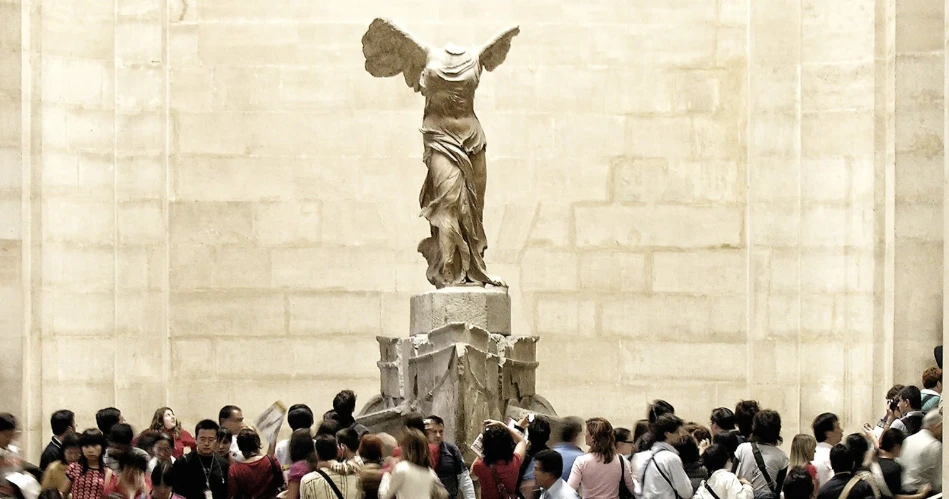
You can’t talk about the must-see art at the Louvre without mentioning the Winged Victory of Samothrace. She’s dramatic. She’s headless. And she’s stunningly full of life.
Perched atop a staircase, with her wings flung back and robes rippling as if caught in a sudden breeze, this sculpture somehow conveys motion even though it’s carved entirely from marble. Historians believe she was created to celebrate a naval victory, possibly around 190 BCE, and placed in a temple overlooking the sea.
Standing in front of her feels like standing at the edge of a moment—frozen in time, yet pulsing with energy. No wonder she’s one of the famous artworks the Louvre is best known for.
People often pause on the stairs, gazing up in awe. And honestly, how could you not? There’s something deeply cinematic about her presence, as though she might take flight at any second.
The Great Sphinx of Tanis: Echoes of Egypt
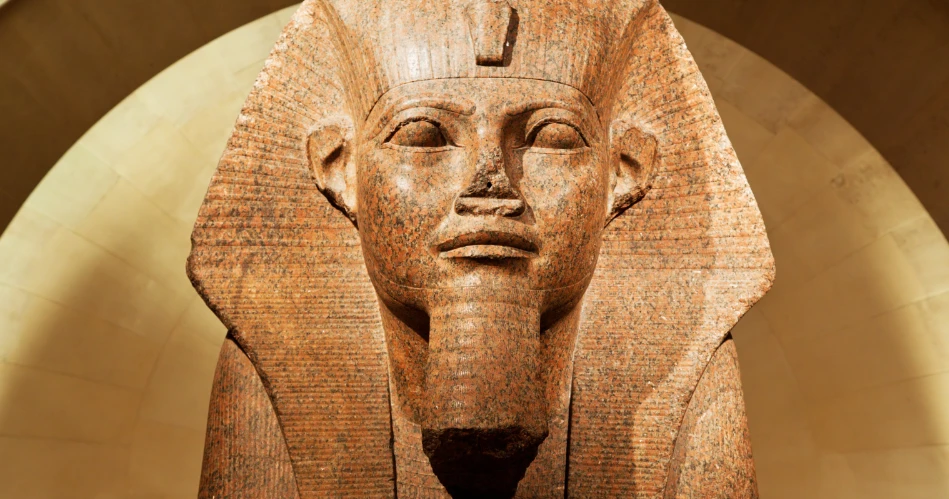
While many visitors focus on European art, the Louvre also holds one of the richest collections of ancient Egyptian antiquities in the world. And the Great Sphinx of Tanis is an unforgettable highlight.
Discovered in the ruins of the city of Tanis, this massive granite sculpture dates back to around 2600 BCE. It’s beautifully preserved, with the body of a lion and a human head—representing royal power and wisdom.
You don’t need to be an Egyptologist to feel the impact. Just walking into the dimly lit room where the Sphinx rests gives you goosebumps. The energy is different here—quieter, older, more mysterious.
For those interested in things to see in the Louvre Paris beyond the usual crowd-pullers, the Egyptian wing is a deeply rewarding detour.
Helpful Tips for Your Louvre Visit

Before you go, here are a few gentle pointers to make your visit smoother:
- Download the Louvre’s free app: It’s surprisingly user-friendly and helps you navigate without getting lost (which is easier to do than you’d think).
- Bring a sketchbook or notebook: Even if you’re not an artist, pausing to draw or jot down thoughts deepens the experience.
- Take your time: Seriously, don’t try to see it all. Just enjoy being surrounded by some of the world’s most extraordinary creative expressions.
You might even consider spending time with lesser-known pieces that catch your eye. Some of the most must-see art at the Louvre isn’t the most famous—just the most meaningful to you.
Final Thoughts: Let the Art Speak to You
In the end, the Louvre isn’t about checking boxes. It’s about connecting—with beauty, history, and the stories we’ve told through art across centuries. Whether you’re drawn to the soft mystery of the Mona Lisa, the raw power of Liberty Leading the People, or the silent grace of the Venus de Milo, you’ll find something that stays with you long after you’ve left.
It’s these deeply personal moments—standing in front of something ancient, famous, or simply beautiful—that make the Louvre unforgettable. So when you visit, walk slowly. Breathe it in. And let the art do the talking.

About Author
Alex is a successful travel blogger; he gives great tips to travel enthusiasts regarding how they can save money on their vacations. He's been to 40 + countries, and he mainly focuses on how to cut down costs during travel.